
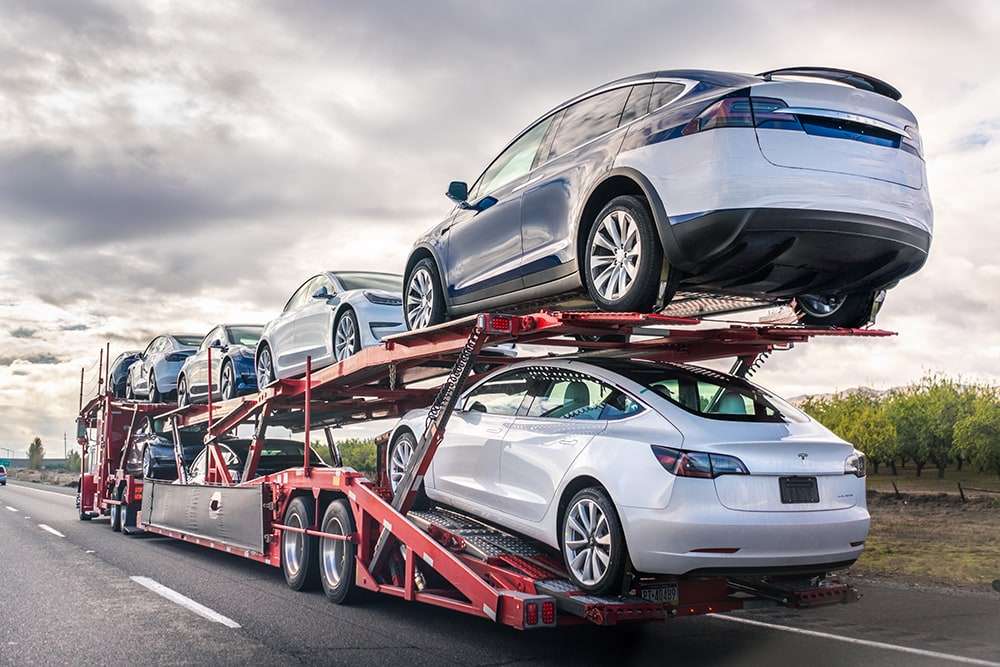
How to Export a Vehicle You Bought at Auction
The short version
Winning the lot is the easy part of the timeline
An auction purchase is not a harder export than any other used vehicle. It is a differently ordered one. In a private sale you usually have the title in your hand before you decide to ship. At auction you have a vehicle first and a title later, and everything downstream is arranged around that gap.
Four things have to line up, and only one of them is about moving the car:
- The lot is paid for and released by the auction, so it can be collected.
- The title is issued and reaches you, in whatever form the state and the seller produce.
- The export is filed electronically and you receive an Internal Transaction Number, the ITN. That filing needs the title number and the title state code, so it cannot be completed from the lot sheet alone.
- The documentation, and the vehicle, are presented to US Customs and Border Protection at least 72 hours before export, and the terminal is given the paperwork set it demands at the gate.
Steps 3 and 4 are the same for every used vehicle leaving the United States and are covered in full on how to export a car from the USA. What follows here is what buying at auction specifically changes.
The gate
The title decides your sailing, not the truck
This is the single most useful thing to understand about exporting an auction purchase, and it is the part that surprises first-time buyers and occasionally catches out dealers running volume.
An auction can release a lot for collection long before the title for it is in your hands. Payment clears, the gate pass is issued, a truck loads the unit, and the ownership document is still with the seller, the insurer, or a state titling office. Nothing about that is unusual and nothing about it stops the vehicle moving to a port. It stops the vehicle leaving.
The reason is specific rather than bureaucratic. Electronic Export Information for a vehicle carries four data elements that exist only for vehicles: the VIN or Product ID, the vehicle identification qualifier, the vehicle title number and the title state code. Two of those four come off the face of the title. Until the title exists and you can read it, the filing cannot be completed, so there is no ITN. Without an ITN there is nothing to present to CBP, nothing to put on the loading documents, and no 72-hour clock running.
So the practical rule is: book against the title, not against the lot. A vehicle collected within days of the sale and sitting at the terminal with no title behind it is not closer to sailing than one still in the yard. It is in a more expensive place to wait.
Ask where the title is before you bid, not after you win. The auction listing tells you what kind of ownership document the lot carries and, usually, whether it is present or pending. That is the difference between a shipment you can plan and one you can only wait on. If you are bidding across several lots in a week, the ones with titles in hand are the ones you can commit to a vessel.
Collection
Getting the unit off the yard
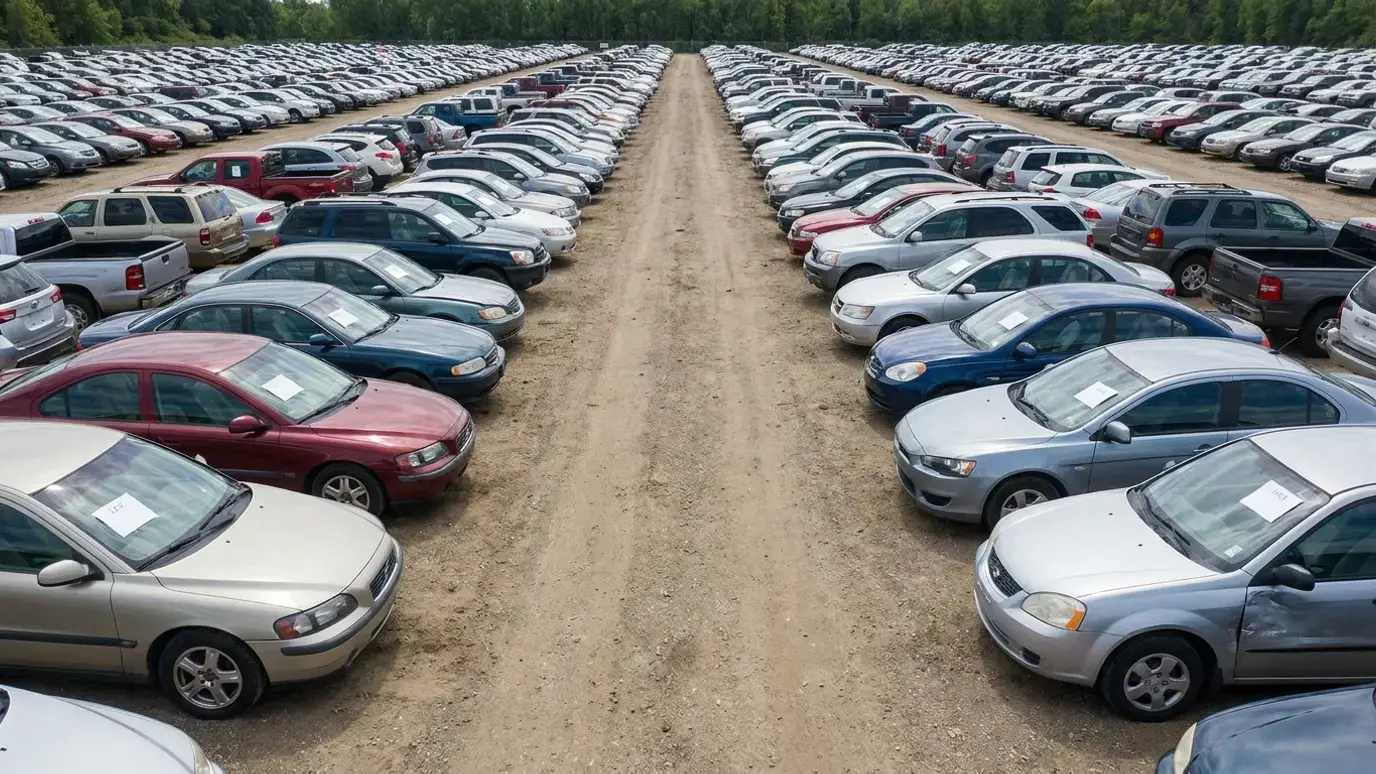
Auction yards are not storage facilities and they are not gentle about it. The clock on a lot starts at the sale, and the terms that follow are the auction's own, set at the yard, not by your forwarder. Read them at the point of purchase rather than at the point of collection.
We collect cars and SUVs from major auctions including IAA and Copart, and from dealerships, before delivering them to the closest port. We also collect construction equipment and trucks from auctions including Ritchie Bros, Alex Lyon and Son and IronPlanet. We do our best to ensure units are picked up within 2 to 3 days, depending on the location and the driver's availability.
Two things follow from that which are worth planning around:
- Location drives the pickup window more than the auction brand does. A lot at a yard near a terminal we already serve moves differently from one three states away, and the driver network is the constraint, not the paperwork.
- The nearest port is not always the right port. Which terminal a vehicle should go to is decided by the carrier, and the carrier is decided by where the vehicle is going. Sending a unit to the closest gate before the routing is settled can mean moving it twice. Our loading ports page lists the terminal, the receiving hours and the document set for each port and carrier we book.
Condition
What changes when the lot does not run
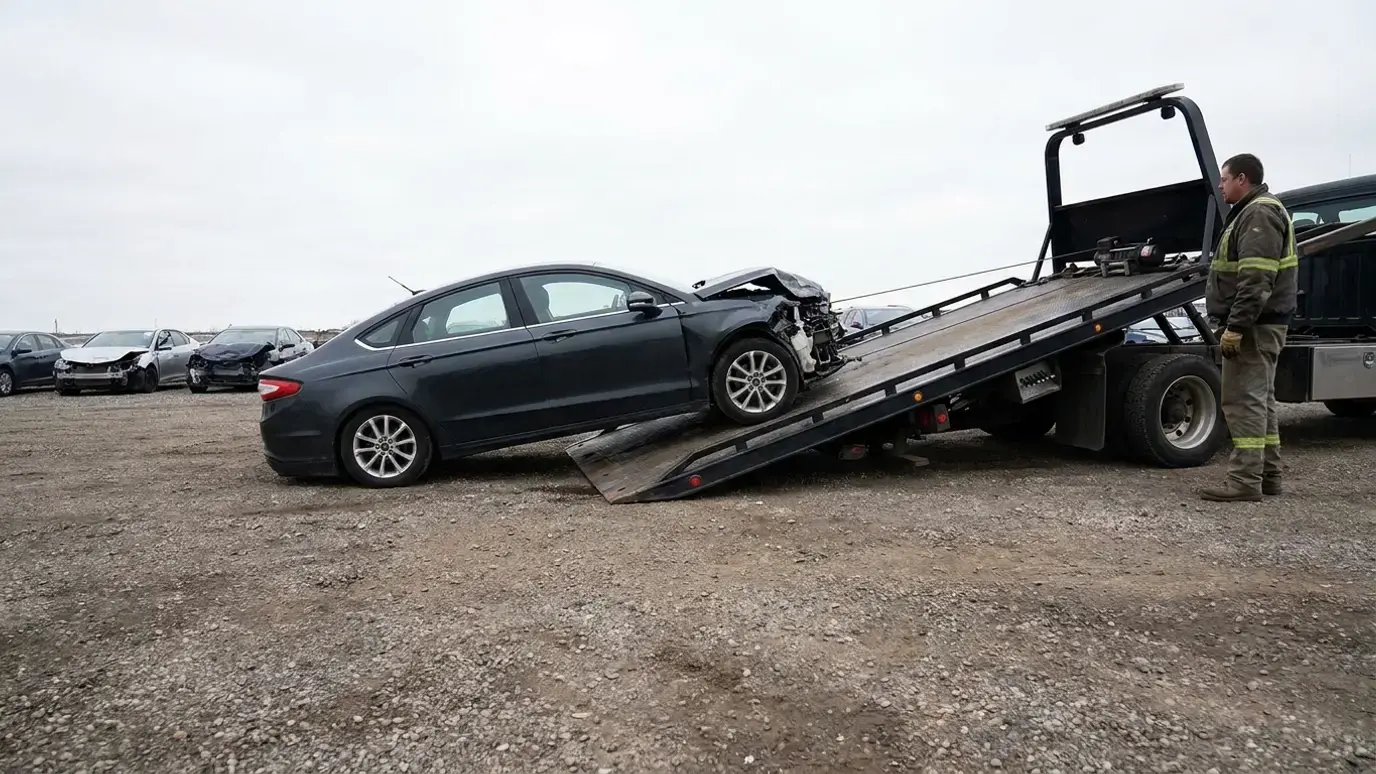
A large share of auction stock does not start, does not steer, or does not stop. For US Customs this changes nothing at all. CBP's position, stated in the Treasury Decision behind the current rule and repeated in its 2020 ruling H308498, is that "Customs is not concerned with the condition of the vehicle exported, but rather the type and status of the documentation for the vehicle", and CBP's own guidance applies the title requirement regardless of the vehicle's economic value, physical condition or operating order. A Salvage Title that remains in force is named in the regulation as a valid ownership document in its own right.
What a non-running unit changes is operational, and it changes at three points:
- Collection. The unit has to be winched or forklifted rather than driven, which is a different truck and sometimes a different driver, so it is worth flagging at the point of booking rather than on the day.
- The gate. Roll-on roll-off loading means what it says. A unit that cannot roll, steer and brake is handled differently or not at all, and that decision belongs to the terminal and the carrier rather than to us.
- The method. Where RoRo is not available to a unit, containerising it usually is. See RoRo versus container shipping for how that choice is made.
The full regulatory position on condition, salvage titles and junk or scrap certificates is on salvage and non-running vehicles.
The other document
If anyone else has an interest in the vehicle
Auction stock arrives from insurers, fleets, lease returns and repossessions, so a lienholder or lessor in the chain is common rather than exotic. Where one exists, the regulation asks for a separate letter from that third party expressly permitting the export: on their own letterhead, carrying the full vehicle description including the VIN, the owner or lienholder name, telephone numbers, an original signature and the date it was signed.
A "lien satisfied" stamp on the face of the title is not that letter. It is the most common reason an otherwise clean export sits still, because the party who has to produce the letter is a bank with no interest in your sailing date. If a lien is in the picture, start that request the week you win the lot. The full requirement is set out on how to export a car from the USA.
The filing
Where the AES filing sits in an auction timeline
Two points about the export filing matter disproportionately to auction buyers.
Value is irrelevant. Used self-propelled vehicles are named in the Foreign Trade Regulations as requiring Electronic Export Information regardless of value, so the ordinary exemption for shipments under $2,500 does not reach them. A cheap rolling shell bought for parts needs an ITN exactly as a late-model SUV does. Buyers working at the bottom of the market are the ones most often caught by this.
A foreign buyer cannot file it. The rules permit exactly two filers, the US Principal Party in Interest or an authorised agent acting for them, and a foreign entity is prohibited from filing. Overseas buyers bidding directly into US auctions therefore need a US party in the transaction to file the export. Settle who that is before you bid, because discovering it after you have won a lot is how a vehicle ends up parked.
Sequencing the two clocks in your head is the whole skill: the title has to arrive, the filing follows the title, the 72 hours follows the filing, and the vessel cut-off does not move for any of it.
At the terminal
Why the gate turns paperwork away
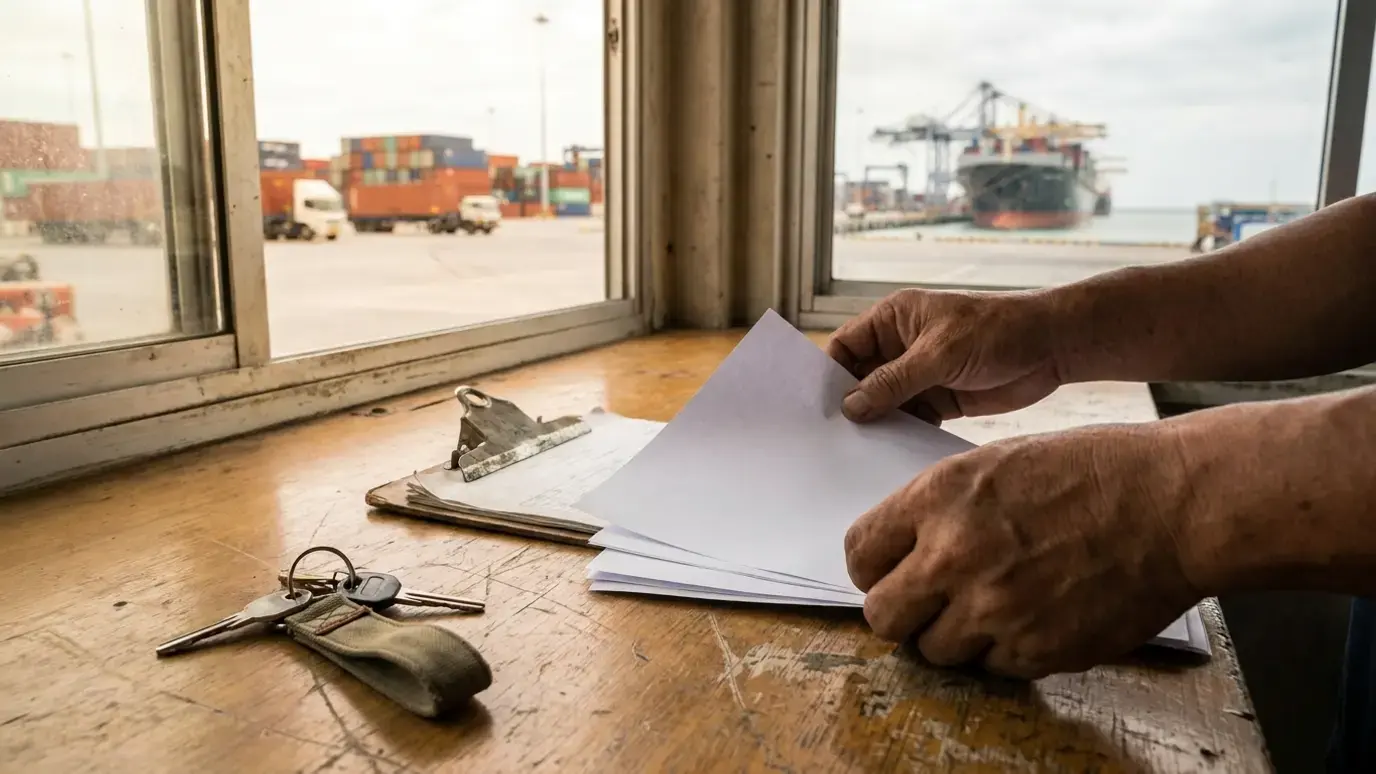
The ITN does not only have to exist, it has to be visible. The Foreign Trade Regulations require the proof-of-filing citation to appear on the first page of the bill of lading, the export shipping instructions or other commercial loading documents, and to be clearly visible there. At a vehicle gate-in the dock receipt is that commercial loading document, which is why a terminal rejects a vehicle whose paperwork arrives without the ITN on it.
On top of that, each terminal sets its own copy counts, and they differ. Our own records show terminals asking for anything from one copy of the title to six, and dock receipt counts that vary the same way, sometimes at two terminals in the same city under different carriers. Nothing about buying at auction changes those requirements, but it does mean a buyer running several lots to different ports is working to several different document sets at once. They are listed per port and per carrier on loading ports.
Wondering what this costs? There is no useful published answer, because the number depends on the yard, the port, the carrier, the destination and the unit itself. We quote against a real shipment rather than a page. Send us the lot and the destination and we will price it: get a quote.
Common questions
Can the vehicle be collected before the title arrives?
- Usually yes. Collection is controlled by the auction's release, and export is controlled by the title. The unit can be picked up and delivered to a terminal while the title is still in transit, but it cannot be filed for export or presented to CBP until the title exists, because the export filing requires the title number and the title state code.
The car does not run. Is that a problem for Customs?
- No. CBP's stated position is that it is not concerned with the condition of the vehicle exported, but with the type and status of its documentation. A Salvage Title that remains in force is a valid ownership document in its own right. Condition is an operational question about collection and loading, not a regulatory one.
Do I need an export filing for a cheap parts car?
- Yes. Used self-propelled vehicles require Electronic Export Information regardless of value, so the usual exemption for shipments under $2,500 does not apply. A scrap unit needs an ITN like any other vehicle.
I am bidding from outside the United States. Can I handle the export myself?
- Not the filing. The rules permit only the US Principal Party in Interest or an authorised agent to file, and a foreign entity is prohibited from filing. An overseas buyer needs a US party to file the export, and that should be settled before bidding rather than after winning.
The lot came from an insurer and there is a lienholder. What do I need?
- A separate letter from the lienholder expressly permitting the export, on their letterhead, with the full vehicle description including the VIN, the lienholder name, telephone numbers, an original signature and the date. A lien satisfied stamp on the title itself does not meet the requirement.
Which port should the vehicle go to?
- The one the carrier for your destination loads from, which is not always the closest gate to the yard. Settle the routing before the unit moves, so it does not have to move twice.
Just won a lot?
Send us the auction, the yard location, the VIN and where the vehicle is going, and we will tell you what has to happen in what order before it can sail.
Sources
Last reviewed
- 19 CFR 192.2, Requirements for exportation
Ownership documents including a Salvage Title in force, the lienholder letter at (b)(1)(ii), and the 72-hour presentation rule.
- CBP HQ ruling H308498 (9 March 2020)
Source of the quoted position that Customs is not concerned with the condition of the vehicle exported.
- CBP, Exporting a Motor Vehicle
Applies the title requirement regardless of economic value, physical condition or operating order.
- 15 CFR part 30, Foreign Trade Regulations
Filing regardless of value at 30.2, who may file at 30.3, the vehicle title number and title state code data elements at 30.6, and the clearly visible citation requirement at 30.7(b).
- US Census Bureau, Automated Export System
AESDirect filing and ITN guidance.
- Our own record, how we ship
Our own record of the auctions it collects from and the 2 to 3 day pickup window.
- Our own record, loading ports
Our own terminal records: delivery addresses, receiving hours and the document set each gate demands.